Reducing the time it takes for brands to find and match with the right influencers
Virally connects artists and brands with influencers for viral campaigns. As the sole designer, I designed the campaign discovery experience. The core design bet: let influencers browse and apply to campaigns instead of making brands search for influencers.
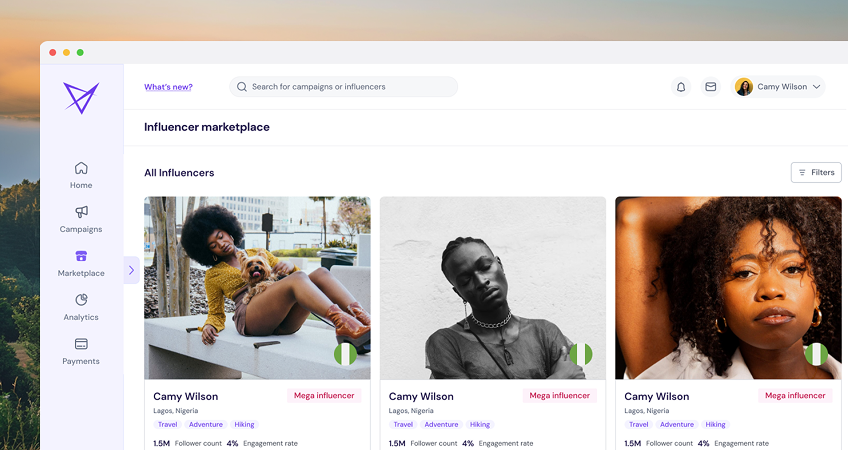
Artists and brands spend days searching for influencers manually, negotiating rates one by one, and coordinating content across platforms. Influencers have no central place to find campaigns that match their audience and niche.
Existing platforms like TikTok Creator Marketplace, Influencity, Upfluence, and Aspire all put the burden on brands to search for influencers. Influencers sit and wait. This creates a bottleneck: brands spend time filtering through thousands of profiles, and qualified influencers never see relevant opportunities.
Flipping the discovery model
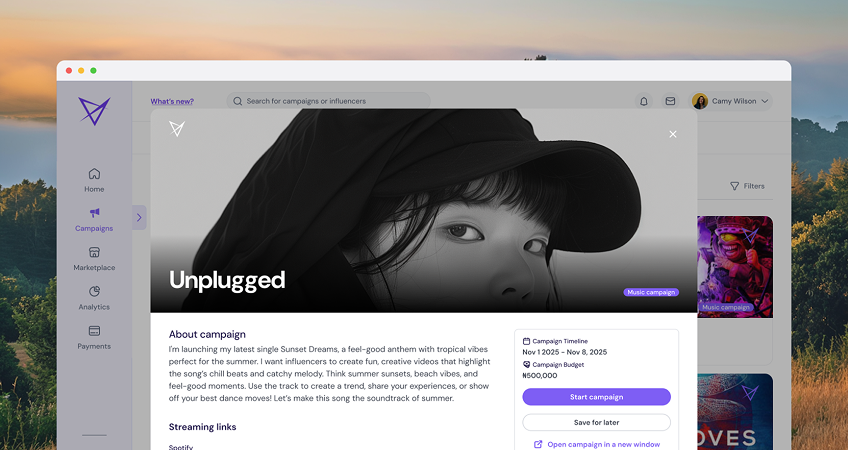
Instead of brands searching for influencers, influencers browse a campaign listing page and apply to campaigns that fit them. This removed the matching bottleneck from brands and gave influencers control over the work they take on.
Two campaign types support different brand needs. General campaigns are open to all eligible influencers, maximizing reach for things like hashtag challenges or product awareness pushes. Specific campaigns let brands invite handpicked influencers when quality control and brand alignment matter more than scale.
Every design decision came from auditing four competitor platforms. I had no user data and no ability to run usability tests. The product owner defined the core requirements. My job was translating those requirements into flows that made sense given what competitors had validated in the market.
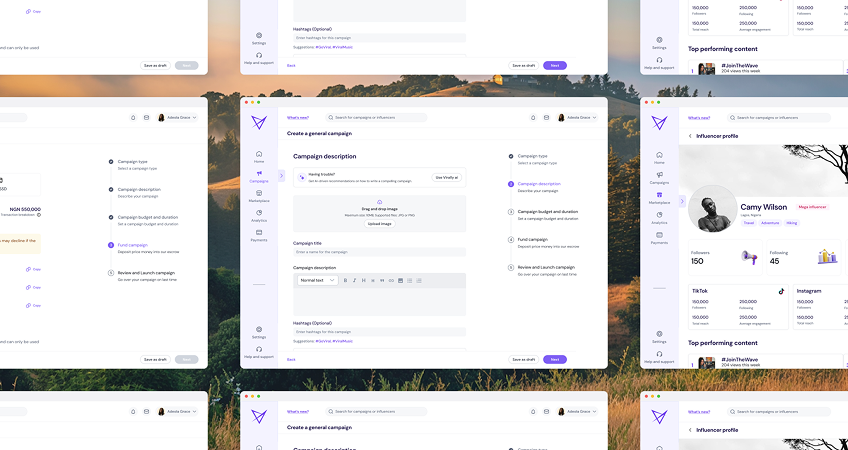
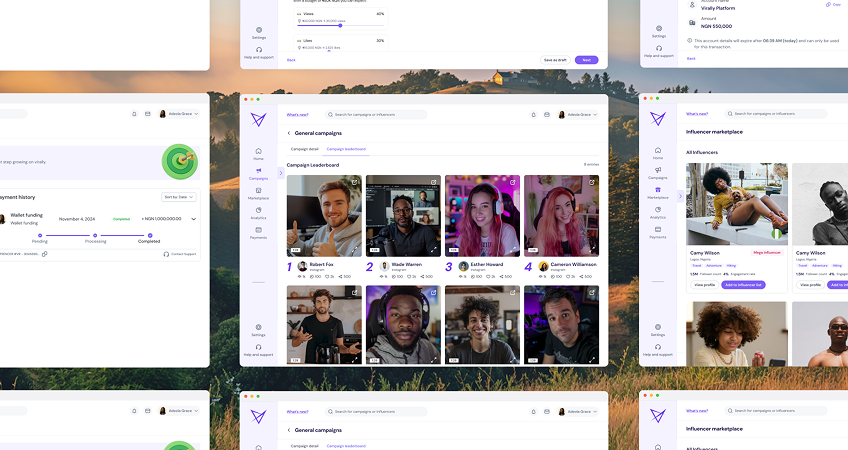
The platform is still in development, but the discovery model is ready to test with real users so there are no engagement metrics, no conversion data, and no user feedback to report.
What I would measure first: campaign completion rate, the percentage of users who start creating a campaign and successfully publish it. This is the single metric that would reveal whether the creation flow works. If brands and artists can't get through campaign setup, nothing else on the platform matters.
A secondary metric would be application rate on general campaigns: how many influencers apply per published campaign. That number would tell us whether the listing model actually drives discovery.